
Vertigo is a condition where you feel a false sensation of movement, as if you or your surroundings are spinning, tilting, or swaying, even when you are perfectly still. It is not a disease itself, but a symptom of an underlying balance or inner ear disorder. Vertigo can range from mild and short lasting episodes to severe dizziness that interferes with daily activities.
In most cases, vertigo is linked to problems in the inner ear, which plays a crucial role in maintaining balance. Common causes include Benign Paroxysmal Positional Vertigo (BPPV), inner ear infections, Meniere’s disease, or vestibular nerve issues. Along with dizziness, people may experience nausea, vomiting, imbalance, headaches, ringing in the ears, or difficulty focusing.
If vertigo episodes are frequent, worsening, or affecting your quality of life, timely evaluation is essential. With accurate diagnosis and expert care, Vertigo Treatment in Bhubaneswar at Shrestha Hearing, Vertigo, Speech Care & Research Centre can effectively identify the cause and provide targeted treatment to restore balance and confidence.
Contact Us
A sudden feeling that you or your surroundings are spinning, even when you are sitting or lying still. This is one of the most common and noticeable signs of vertigo.
Difficulty maintaining balance while standing or walking, often accompanied by a fear of falling. You may feel pulled to one side or unsteady during movement.
Vertigo episodes often trigger nausea, vomiting, headaches, or a sense of heaviness in the head, especially during severe or prolonged dizziness.
Trouble focusing your eyes, sensitivity to light, or momentary blurred vision during dizzy spells, making daily activities uncomfortable.
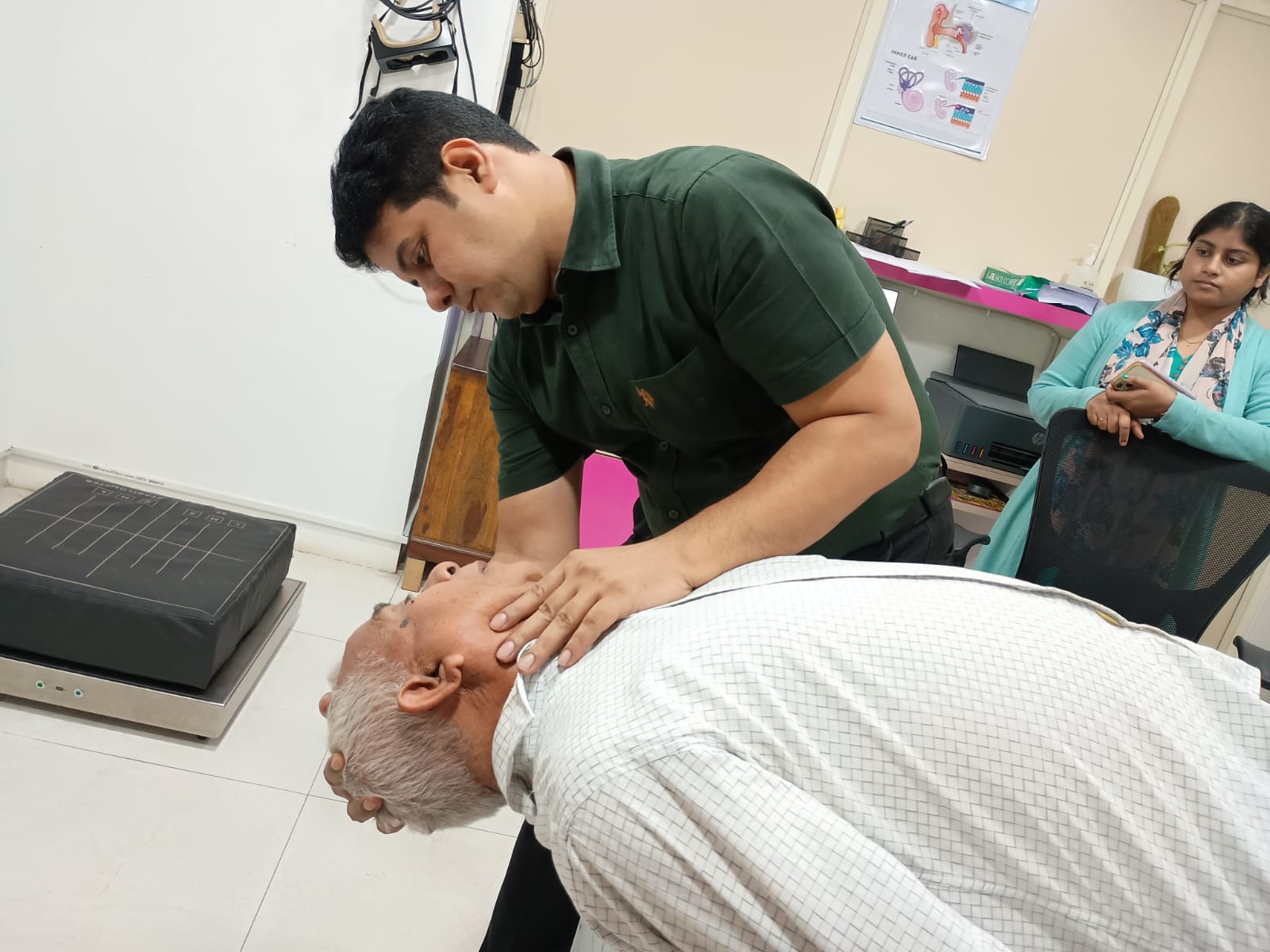
A simple positional test used to diagnose Benign Paroxysmal Positional Vertigo (BPPV). The audiologist gently moves your head and observes eye movements to identify inner ear balance issues.
This test checks how well your inner ear and eyes work together to maintain balance. It helps detect vestibular weakness that may cause dizziness or sudden imbalance.
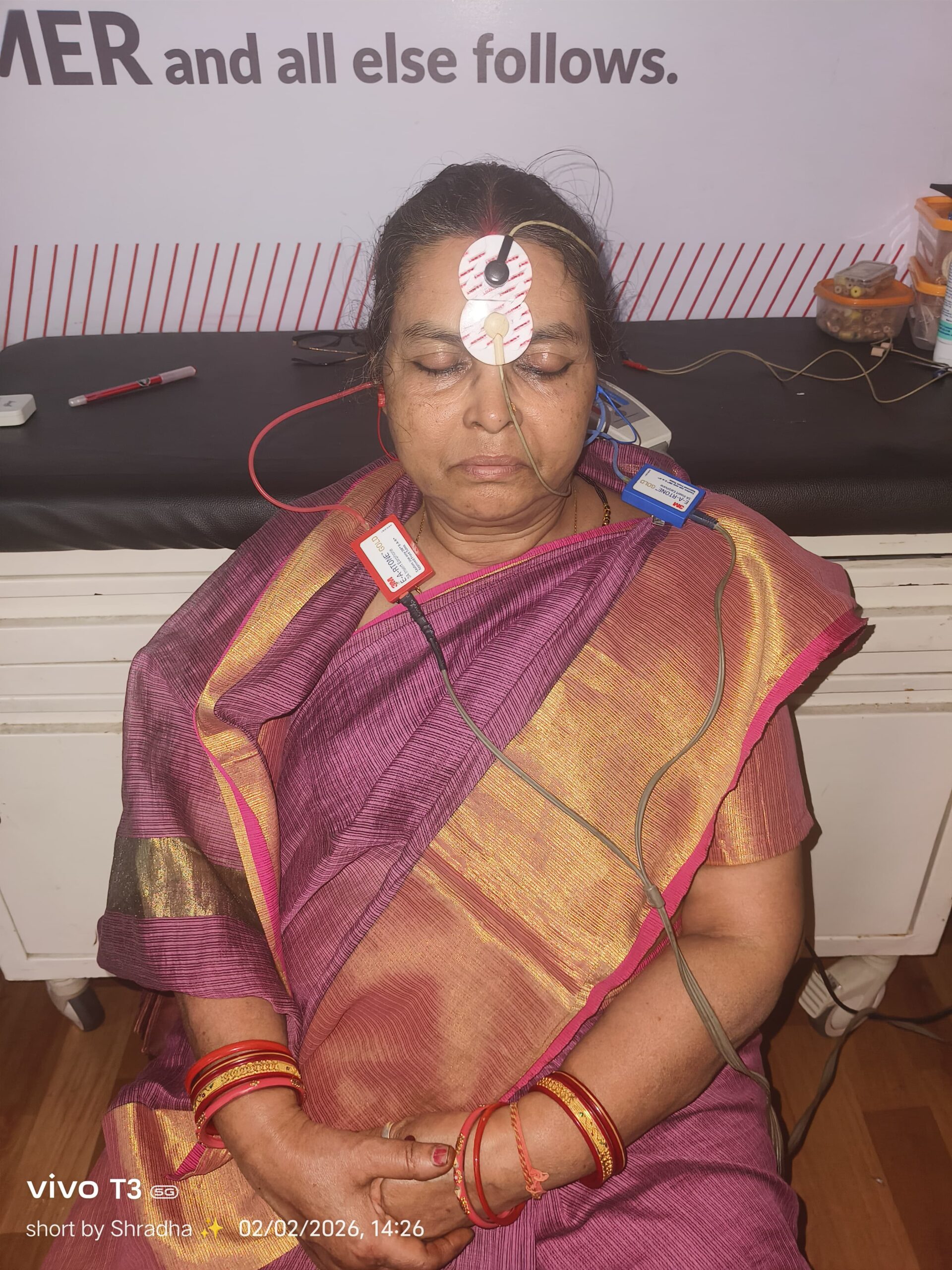
VNG uses special goggles to record eye movements while your balance system is stimulated. It provides detailed information about inner ear and nerve related vertigo conditions.
A computerized balance test that evaluates how well your body maintains stability under different conditions. It helps understand fall risk and overall balance control.

The process begins with a one-on-one consultation where the audiologist listens carefully to your symptoms, such as dizziness, spinning sensation, imbalance, nausea, or headaches. Your medical history and lifestyle factors are also reviewed to understand possible causes of vertigo.
Basic balance and movement tests are performed to observe how your body responds to position changes. Eye movements, posture, and coordination are closely monitored to detect signs of inner ear or vestibular dysfunction.
Depending on your symptoms, specific tests like positional testing, balance assessments, or eye movement evaluations may be conducted. These tests help pinpoint whether vertigo is caused by inner ear issues, nerve problems, or other balance disorders.
After the evaluation, the audiologist explains the findings in simple terms and confirms the type of vertigo. A personalized treatment plan is then recommended, which may include vestibular therapy, medical management, or lifestyle guidance for long term relief.
A vertigo test is recommended for anyone who frequently experiences dizziness, a spinning sensation, or balance problems that interfere with daily life. If you often feel like the room is moving around you, especially when changing positions, getting out of bed, or turning your head, a professional vertigo evaluation can help identify the root cause.
This test is especially important for people who experience repeated episodes of unsteadiness, nausea, vomiting, or sudden loss of balance. Individuals with ringing in the ears (tinnitus), ear fullness, hearing changes, or a history of inner ear infections should also consider a vertigo test, as these symptoms are often linked to vestibular disorders.
Older adults, working professionals and individuals recovering from head injury, viral infections, or neurological conditions may benefit from early vertigo testing to prevent falls and complications. Even children or young adults who complain of dizziness, coordination issues, or unexplained headaches should not ignore these signs.
A timely vertigo test helps diagnose the underlying issue accurately and allows specialists to recommend the right treatment, whether it’s vestibular therapy, medical management, or lifestyle guidance, so you can regain balance, confidence and quality of life.
Contact Us